5 ways to travel responsibly in 2024
We’re calling it - 2024 is the year of responsible travel! Booking.com’s recent travel report has highlighted that around 70% of people want to choose sustainable options when they book a holiday.
Interestingly, the same report also went on to identify that misinformation often prevented travellers from making responsible decisions; a large proportion of responses indicating that people felt that sustainable options cost more, or that the sustainable style of accommodations meat quality would be sacrificed.
It can be overhwelming to take the tenets of sustainability into consideration when planning. So, we’ve compiled this list to share some simple ways that you can affect positive change in your travels in 2024; regardless of time or budget!
Adjust your itinerary
This isn’t a tropical cave system in Thailand - its in Yamaguchi, Japan!
One of the best parts about travelling is finally having the opportunity to experience destinations you’ve always dreamed of visiting; like walking the ancient streets of Kyoto or eating fresh yakitori in Tokyo. You can (and should) still do these things, but why not add in some regional stops to compliment your bucket list?
For example, the quiet town of Nikko is just under 2 hours from Tokyo and has UNESCO-listed pagoda temples tucked away beside an ambling alpine river. Have a few extra days? Hagi in the Gifu prefecture is famous for its fugu sashimi, or you can experience the regional variation of sake on a local-led cycling tour.
By adding in a few off-the-beaten-track options, your itinerary turns into an unforgettable memory. And, you’ll be contributing to smaller communities that typically miss out on the mainstream tourist spend.
2. Learn some local lingo

Time to dig out the Duolingo app…or perhaps a phrasebook?
This seems self-explanatory but it’s one of those things that we as travellers forget to do. It’s easy to push to the side - you’ve booked this amazing holiday, you’re ready to relax and the last thing you want to do is spend time doing homework before you board the plane.
Language can give incredible insight into the history and culture of the place you’re in. Did you know that the word for tea changes depending on how it was first introduced to the country? In places where it came via the Silk Road, it’s referred to as tea whereas if it came by the ocean it’s chai.
Learning even a few basic phrases not only helps you connect with that destination’s culture, but also shows respect to the community you’re visiting. Start with 10 easy words or phrases, you’ll be amazed at how far it gets you.
3. Sustainable swaps

Save yourself some $$$ and help protect the environment at the same time - bring an empty water bottle!
Some 78 million tonnes of plastic waste is generated yearly - a large portion of that being from water bottles and containers. It can be all too easy to fall into the habit of buying bottled water in countries with limited sanitation practices, especially when prices are low and refillable sources aren’t exactly convenient.
Consider buying a filtered bottle to take with you on your travels - Lifestraw and Sawyer have some great options. Use an app like Refil to identify where you can top up your bottle; when you stop for lunch or a coffee ask your server if you top up your bottle.
If you do have to buy bottled water, try to buy the largest size possible so you’re only contributing one item to landfill rather than multiple smaller ones.
4. Volunteering - do your research

There’s a plethora of articles, research and personal experiences on the pros and cons of volunteering when travelling; it is critical that travellers really take the time to research these activities before signing on. Many paid experinces don’t actually benefit the communties - building a Church sounds nice until it develops stability issues due to inexperienced construction workers. Volunteering with children may seem rewarding, but are appropriate safeguards in place to protect their best interests? Does the organiser vet participants, or can anyone join as long as a booking fee is paid?
5. Use social media wisely
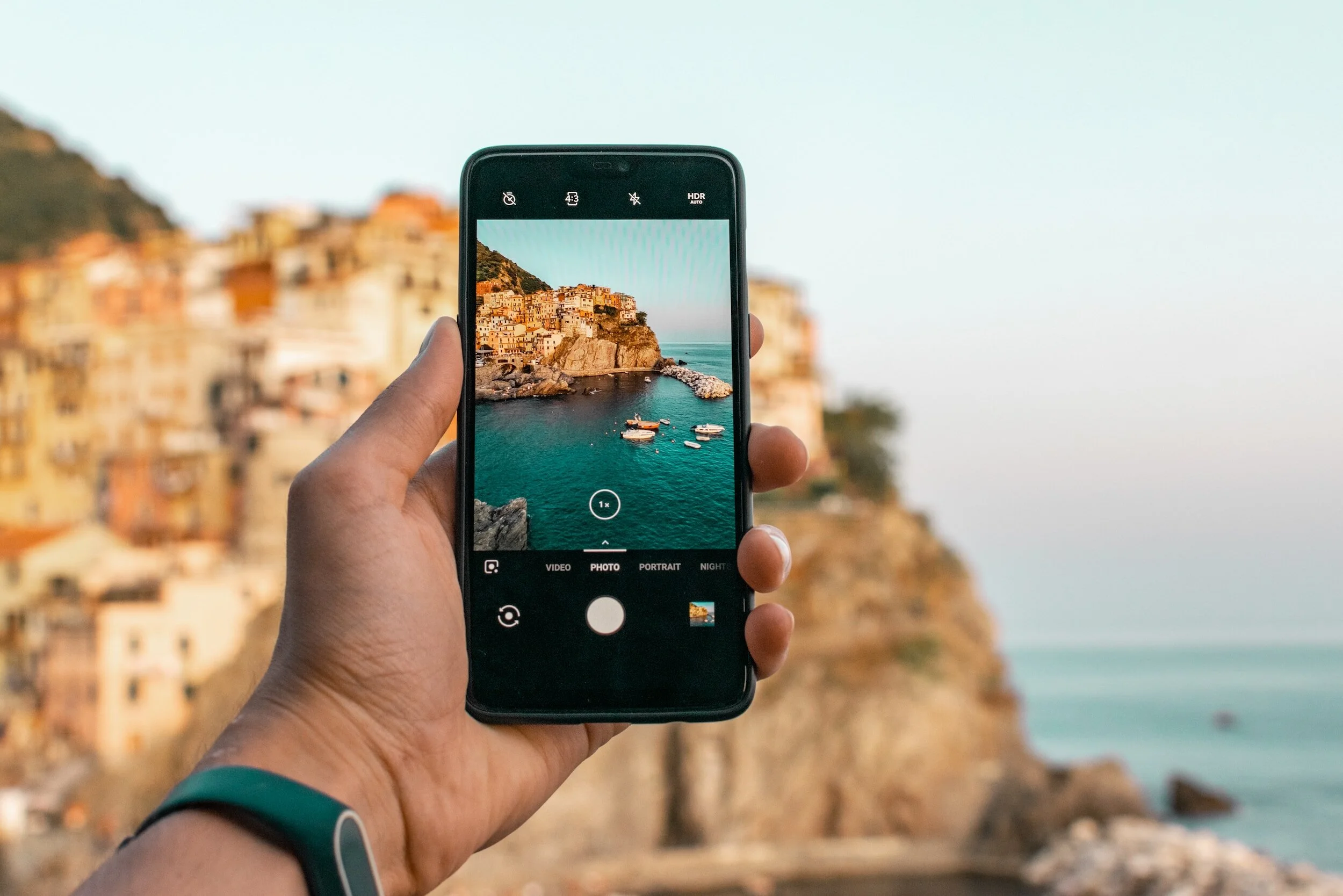
To #hashtag or not to #hashtag - that is the question
Sharing photos and details of your travels is natural in this era; people are curious to hear about your experiences, family members love to keep up to date with your adventures. Before sharing that post though, take a moment to think about what you’re uploading. From a marketing angle, geotags are extremely useful - but does adding your location contribute to more people wanting to visit? Destinations like Dubrovnik and New Hampshire are struggling with visitor numbers partly due to their popularity online. Likewise, is what your posting likely to impact the lives of local people? Did they consent to having their faces shared on your media?
These are just a few ways to help ensure your travels benefit the places you visit; of course there are many more ways you can act responsibly in your travels. We’d love to hear what you’re doing in 2024!