Behind the mask: Venice’s overtourism problem

Among Google’s top search results for Venice are ‘Venice is too busy’ , ‘Venice is too touristy’ and ‘Venice is too crowded’. These statements are usually accompanied by pictures like the one below and a sense of dread when thinking about future visits to such places.
But did you know there is actually a term for this situation? It’s called overtourism. By definition, overtourism occurs when a location experiences an excessive number of tourists, surpassing its capacity to manage and sustain a quality experience for both visitors and locals. This is nowhere more evident than in Venice. Post-COVID visitor numbers have exploded and the government has tried to implement several management strategies with varying degrees of success.
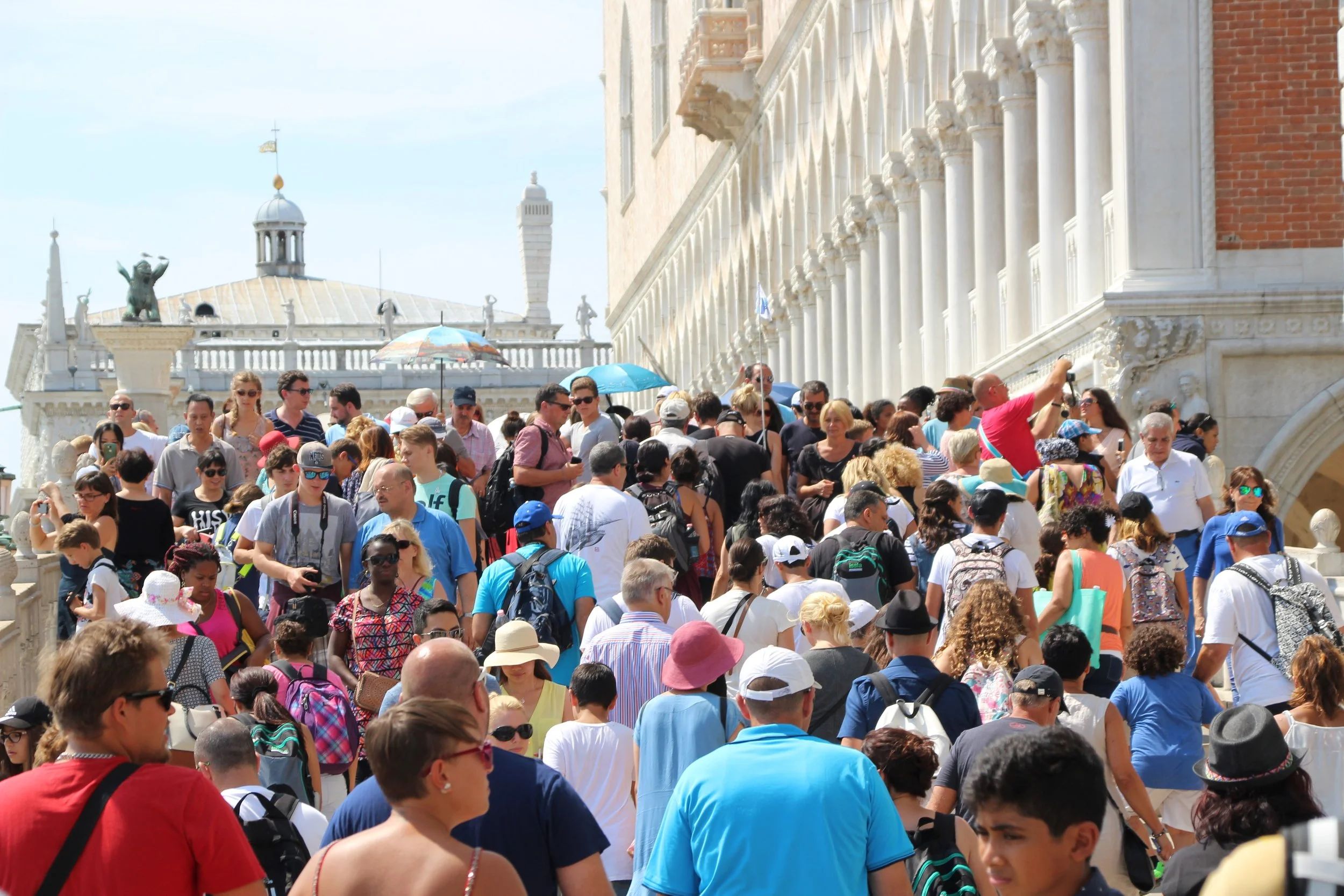
Massive crowds have become a common sight in Venice
Just over 5.8 million visitors passed through Venice in 2024; indicating tourism has well and truly returned to the area despite attempts of government intervention. Consequences of this number of people in a tiny location like Venice are becoming more and more evident with each season.
The city's unique architecture is suffering wear and tear caused by the sheer volume of foot traffic. There aren’t enough restaurants or dining services to manage large groups. Locals have been displaced to the mainland as most houses on the island are now owned by foreign investors, hotel chains or are rented out as Air BnB’s. Authentic storefronts have been replaced with stores that sell cheap imported souvenirs. And the lagoon that was famously clear and visited by dolphins during lockdown is now hazy and suffering from tourist litter once again.
Venice strikes back
Efforts to address overtourism in Venice have included implementing visitor caps, promoting responsible tourism practices, and investing in sustainable tourism initiatives. These measures aim to strike a balance between preserving the city's cultural heritage and ensuring a positive experience visitors, but in reality success has been difficult to track.
Take the tourist tax for example - it’s 5 euro per person if paid in advance, 10 for same day visits. If visitors are already paying thousands in hotel and airfare costs to get to Italy; an amount this small is hardly going to deter or encourage them to reconsider their travels. The concept of the fee is that funds generated would go towards preservation of the city (which is well needed) - but again it does little to reduce the numbers of visitors at any given time. Venice’s recently elected mayor, Simone Venturini, has proposed further increasing the tax to €50 which could have a better impact; but the proposal has yet to be enacted.
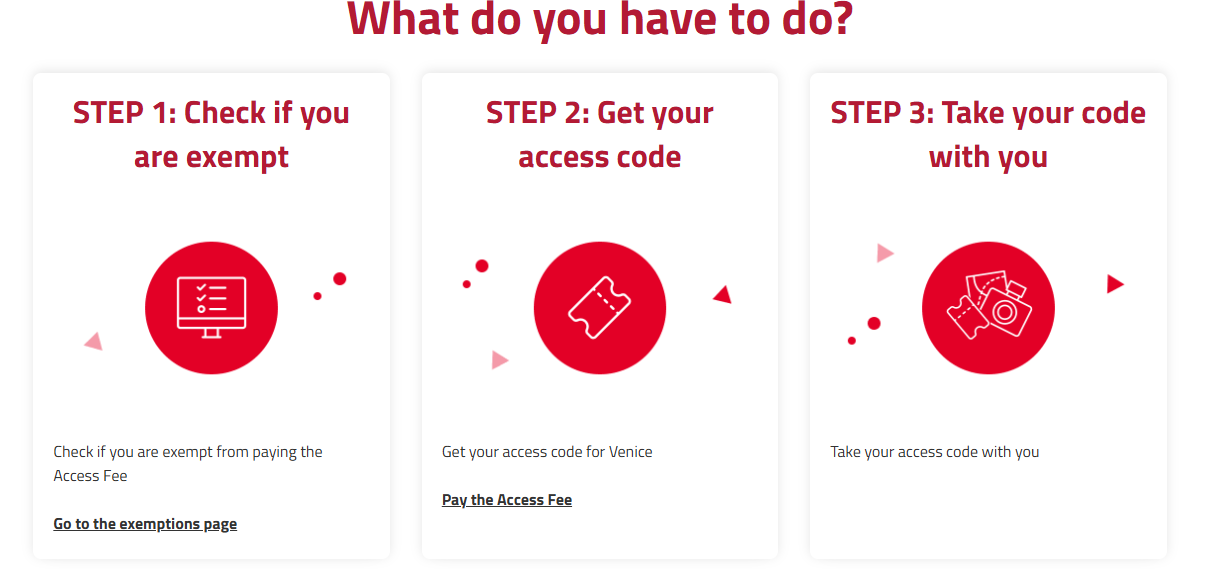
Venezia Unica’s visitor fee payment portal
It was announced in 2022 that cruise ships would be banned in the lagoon; to the excitement of locals and responsible tourism supporters. It had been established through decades of studies and reports that cruise ships docking on Venice’s fragile pontoons were further weakening the city’s pilings (and jeopardizing the historic buildings, palaces and houses above water).
While removing large vessels from the lagoon was a win for Venice’s architecture; it has not helped to reduce the hoards of cruise daytrippers flooding through the streets. Their vessels simply anchor outside of the lagoon; and bus the tourists in. The age old issue remains; cruise visitors generate very little to their destination’s economy. Their excursions are paid through the vessel (though some local operators gain a fraction of income from providing their services). The all-inclusive nature of cruise holidays mean guests are less inclined to have meals ashore. The limited time ashore does not encourage visitors to go exploring or to take the time to discover local producers and creators; instead limiting their visits to the mainstream stores around Rialto and St Marks Square.
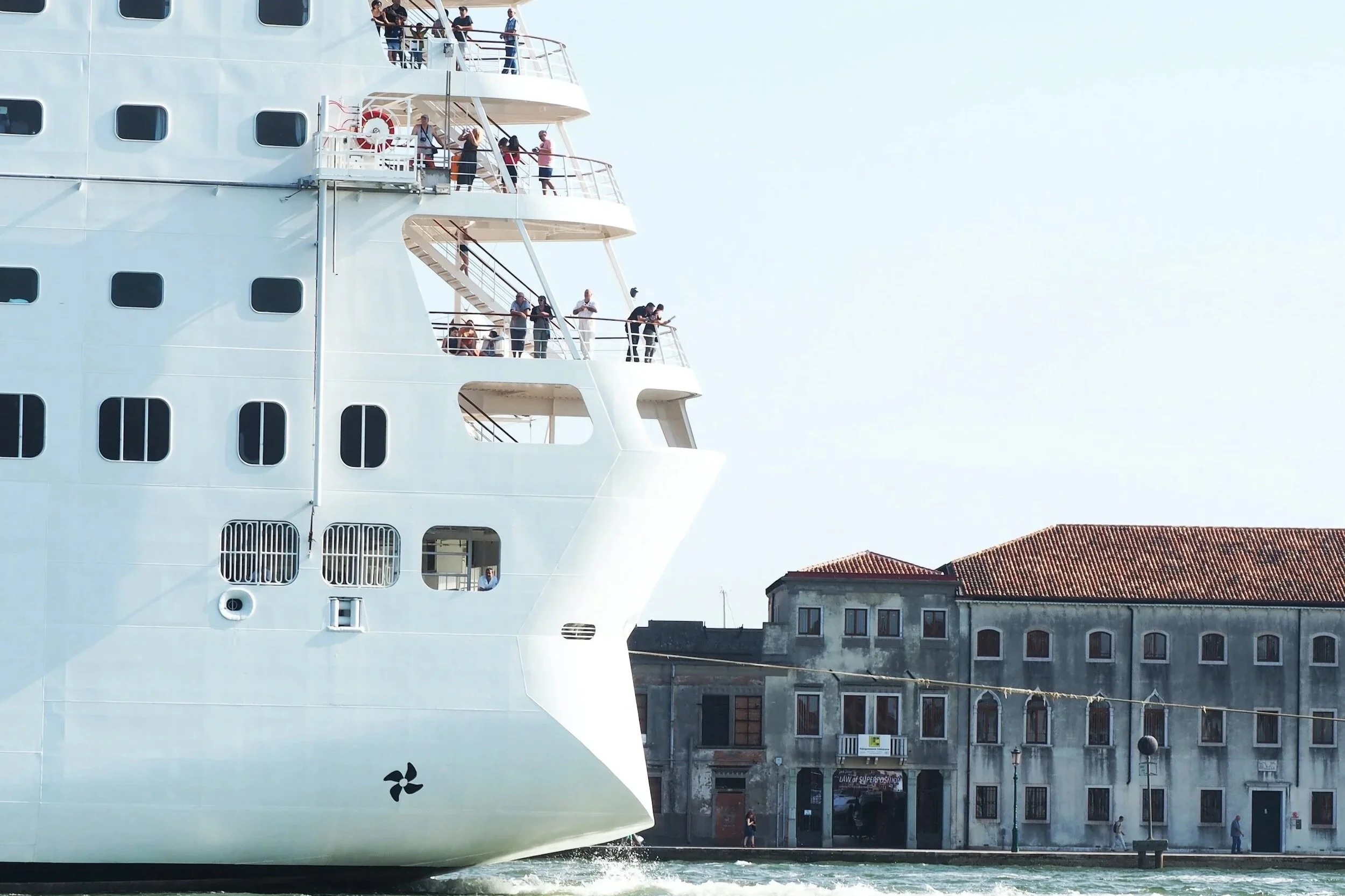
A cruise ship enters Venice’s lagoon
Likewise in 2024, the decision was made to ban tour groups of more than 25 people - and in a similar vein all that has happened is that large groups now descend upon the island in 3 to 4 coaches at a time, rather than as one big group. While encouraging operators to break their groups up into smaller numbers and lessening the burden on high traffic visitor sites has had a positive impact, the policy has not discouraged visitors to travel to Venice.
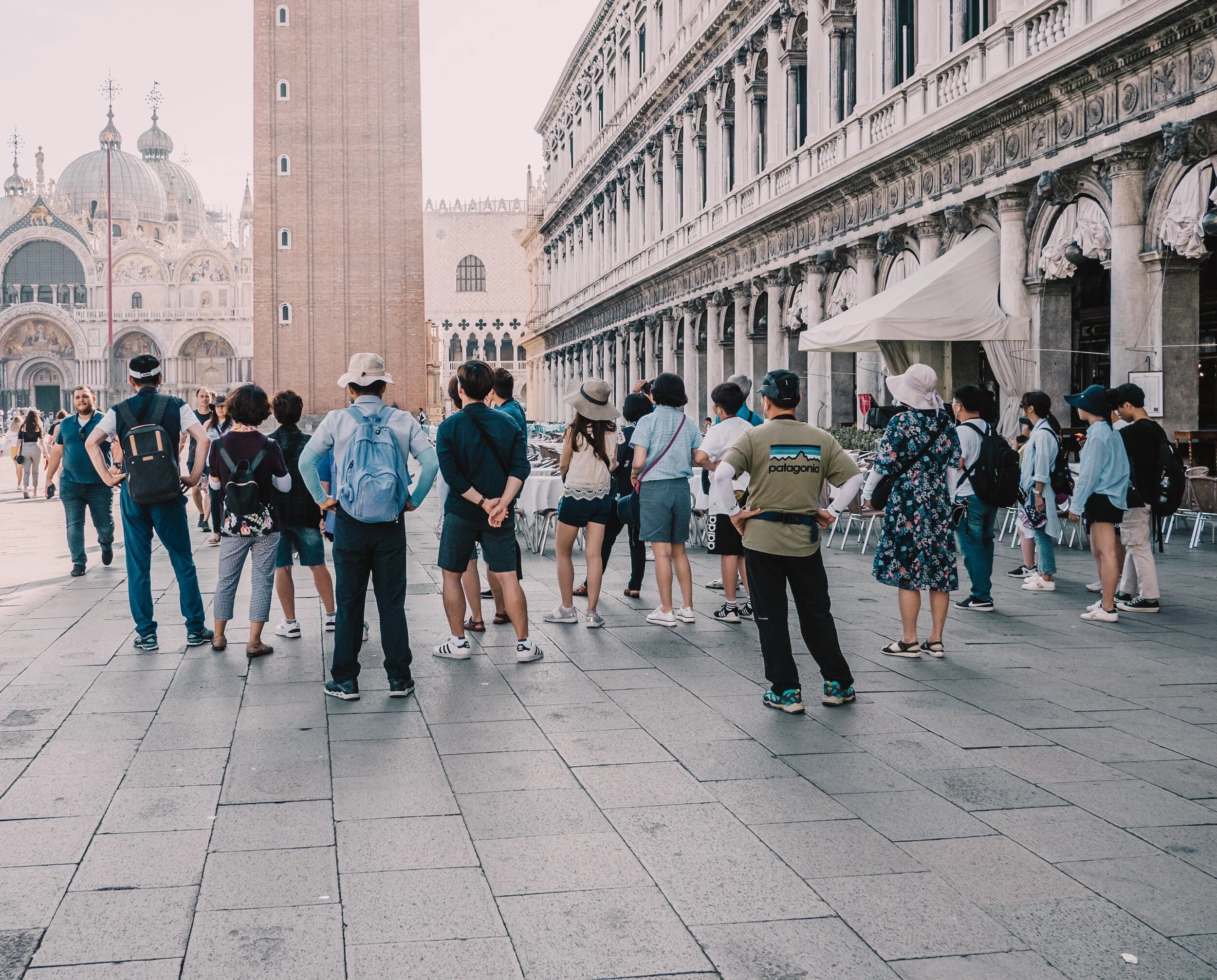
A tour group takes in the sights of St Mark’s Square
So what can we do?
Simply banning all visitors to Venice is not a viable outcome; 70% of all businesses on the island rely on the tourist economy to operate. What we can do is approach travel to Venice responsibly:
Travel out of the summer season (JUN/JUL/AUG)
Numbers are lower in the shoulder season, and the tourist taxes either get removed or reduced significantly. With global warming; temperatures in Venice now make summer visits incredibly uncompfortable when coupled with throngs of people and historic buildings with no airflow. A shoulder season visit is a massive win-win!
Stay on the island, for longer
Avoid day visits and overnight stops. This will give you more time to explore, and less time will be spent rushing from one island to another. It also means you can prioritise visiting busy tourist sites in quieter hours - minimising impact to locals. It is incredible how quickly you can intergrate yourself into island life; on our last visit (4 nights); the cafe down the street knew our order by day 2 and we were on first name basis with the gelato shop outside the hotel. If you’re concerned around costs to stay on the island - there are plenty budget friendly options available if you don’t mind a 10 to 15 min walk from the main hubs of Rialto and St Mark’s.
Think sustainably around transport
Utilise public transport (trains, buses, water taxis) rather than individualised transfer services. Venice is an incredible location for walkers; aside from arriving to and from the island the majority of key sites can be accessed by foot. Bring your best walking shoes!
Support local businesses
Yes, that souvenir shop selling Chinese-import magnets is cheap. But who is that really benefiting from a 5 euro purchase? Research local creators and producers of Venice’s iconic goods. They will be more money, but you are supporting traditional arts at their root.
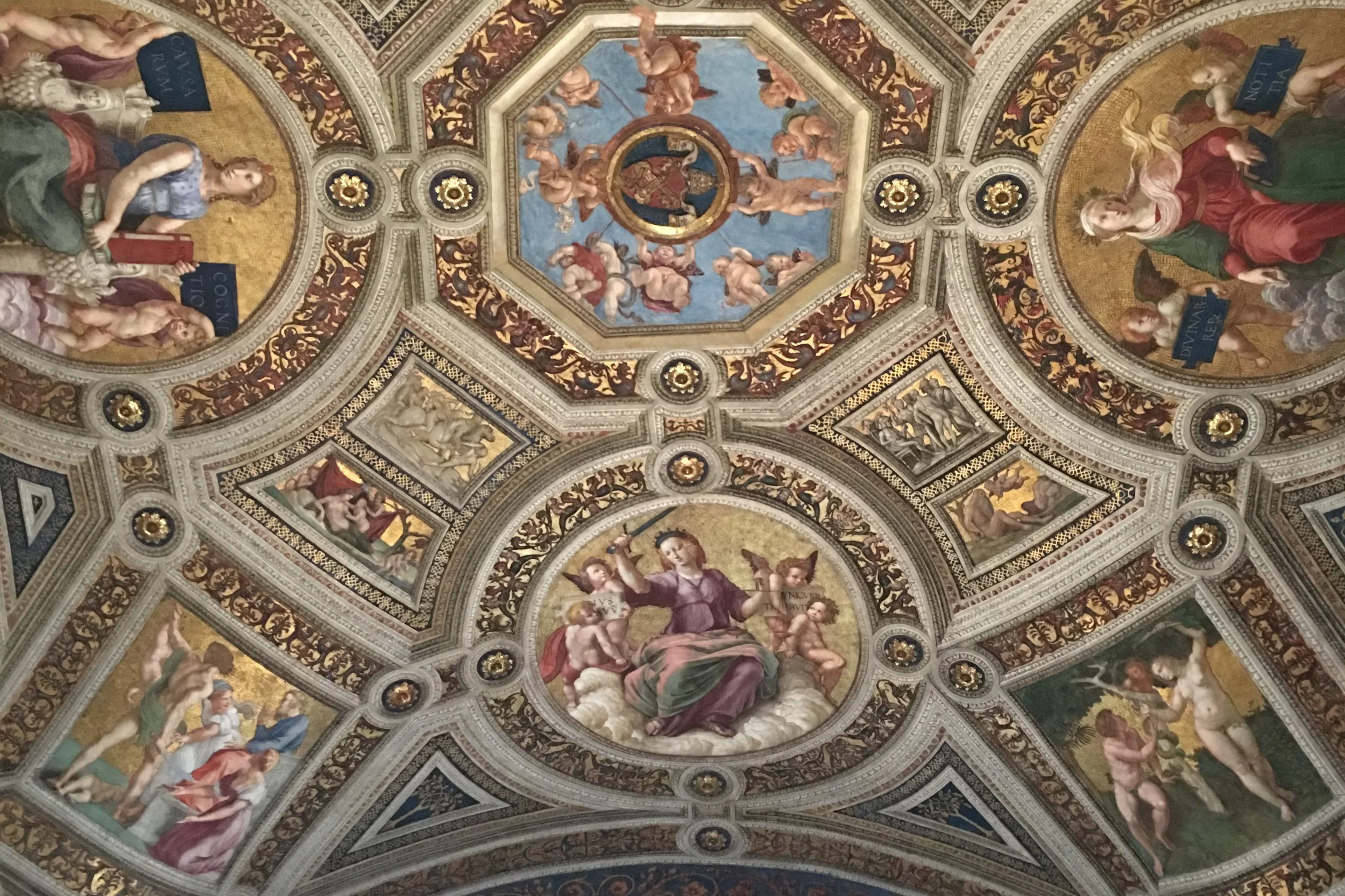
Imagine experiencing Venice’s masterpieces without a boatload of cruise tourists behind you!
Venice serves as a poignant reminder that government, the tourism industry and individual visitors must work together to protect the world's most cherished destinations. However, it is up to us as responsible travellers to make the decision on where to travel and how. If you must go to Venice - reflect on the points above. Together, we can help preserve the beauty and authenticity of places like Venice for generations to come.